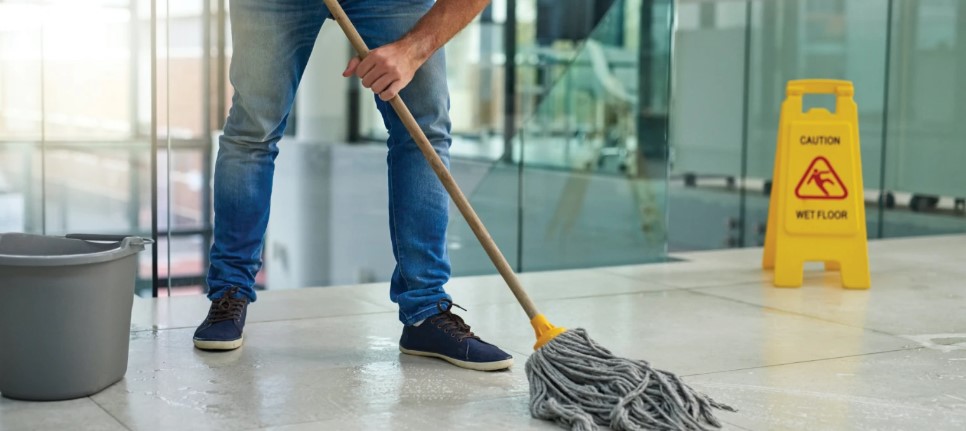
Prioritizing both the health of our environment and the well-being of individuals is crucial in our efforts to create clean and healthy spaces. Environmental sanitization provides a comprehensive strategy that integrates sustainable practices with efficient sanitization techniques. We’ll talk about the importance of environmental sanitation, its advantages, and how it helps make the world a healthier place in this post.
Educating Oneself About Environmental Disinfection:
Utilizing cleaning techniques and disinfectants that reduce negative environmental effects while also eradicating dangerous pathogens is known as environmental disinfection. While ensuring efficient sanitization, it considers the choice of environmentally friendly disinfectants, responsible waste management, and sustainable cleaning techniques.
The advantages of environmental disinfection include:
a. Health and Safety: Environmental disinfection effectively eliminates bacteria, viruses, and other pathogens, reducing the risk of infections and promoting overall health and safety for individuals occupying the space.
b. Sustainability: By using environmentally friendly disinfectants and implementing sustainable cleaning practices, you can minimize your carbon footprint and contribute to a greener future.
c. Improved Indoor Air Quality: Proper environmental disinfection includes measures such as air duct cleaning and ventilation maintenance, leading to improved indoor air quality and a healthier living or working environment.
d. Reduced Chemical Exposure: Environmentally friendly disinfectants are designed to be less toxic and have lower levels of chemical exposure, creating a safer space for both occupants and cleaning personnel.
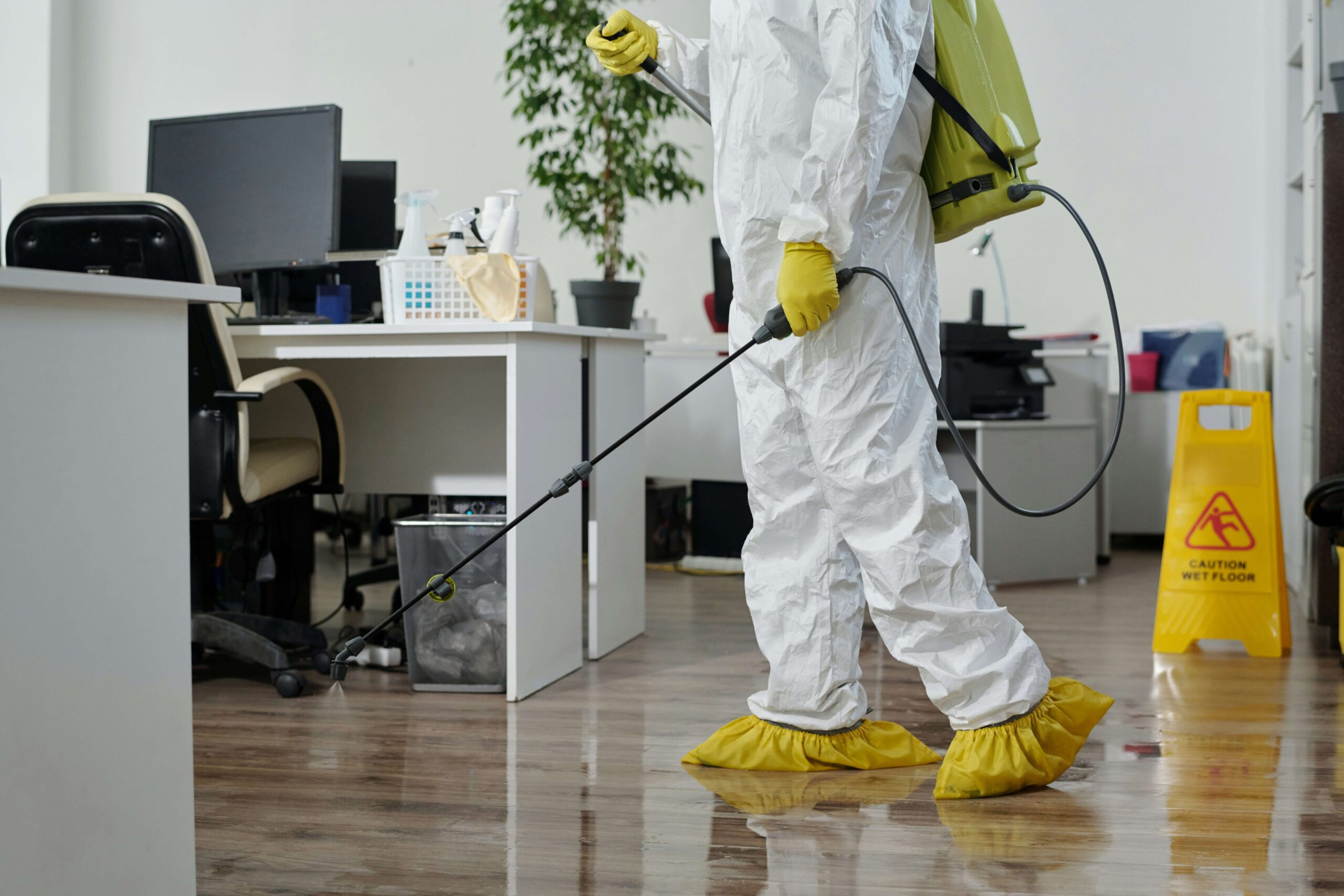
2. Implementing Environmental Disinfection:
a. Selecting Eco-Friendly Disinfectants: Look for disinfectants that have received certifications such as Green Seal or EcoLogo, indicating their environmental sustainability. These products are designed to be effective against pathogens while minimizing harm to ecosystems.
b. Responsible Waste Management: Properly dispose of cleaning and disinfection waste by following local regulations and recycling practices. Consider using reusable microfiber cloths and sustainable cleaning supplies to reduce waste generation.
c. Energy-Efficient Equipment: Utilize energy-efficient cleaning equipment such as low-energy consumption vacuum cleaners or scrubbers to minimize electricity usage and promote sustainability.
d. Water Conservation: Incorporate water-saving practices, such as using microfiber mops that require less water, or implementing technologies that allow for efficient water usage during cleaning processes.
3. Raising Awareness and Collaboration:
a. Education and Training: Provide education and training to cleaning staff and occupants regarding the importance of environmental disinfection, sustainable practices, and the benefits of using eco-friendly products.
b. Collaboration with Certified Professionals: Partner with professional cleaning services that specialize in environmental disinfection and have experience in implementing sustainable cleaning practices. These experts can offer guidance and assistance in creating an eco-friendly cleaning program tailored to your specific needs.
Environmental disinfection offers a responsible and effective approach to creating clean and healthy spaces while minimizing our impact on the environment. By choosing eco-friendly disinfectants, implementing sustainable cleaning practices, and raising awareness among staff and occupants, we can contribute to a healthier planet and ensure the well-being of everyone who enters our spaces. Let’s embrace environmental disinfection as a stepping stone towards a sustainable future.
Do you need professional disinfection services?