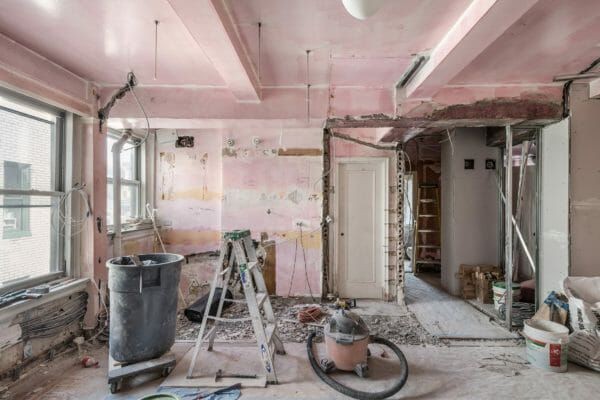
Marble and tile Cleaning bring a sense of luxury to any room. However, looking after a marble floor, particularly a polished floor, is not as straightforward as other types of flooring. If you need to understand how to clean your marble floors, look no further than this article.
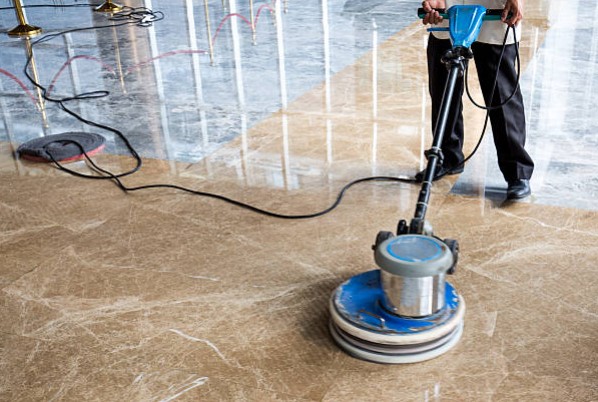
How Is Marble Made?
Marble is a rock resulting from the metamorphism of sedimentary carbonate rocks, most commonly limestone or dolomite (rock). Metamorphism causes variable recrystallization of the original carbonate mineral grains. The resulting marble rock is typically composed of an interlocking mosaic of carbonate crystals.
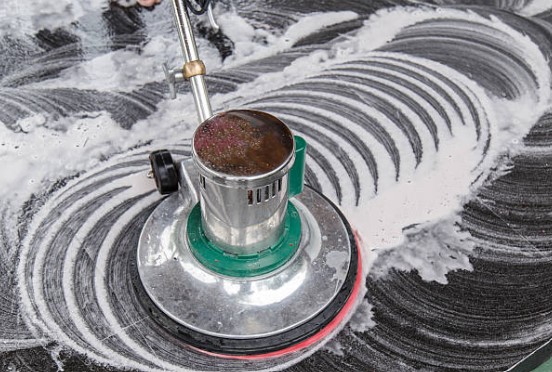
How to Clean Marble Floors
A Marble floor is one of the most beautiful natural stones Marble floors have been used for millennia to create elegant floors. It is just as popular today. Yet, Marble is a relatively soft stone, very porous, and can damage easily. Like all natural stone surfaces all other natural stones, marble must be cleaned regularly to prevent soiling and stains. If you have a dirty, stained marble floor, here is a 7-step guide on how to clean it and restore the finish:
Dust and Mop
- First, sweep the floor.
- Mop the floor with a hot soapy water solution.
- Mop the floor a second time with a fresh bucket of plain, hot water to clean up any excess soap.
Disinfect
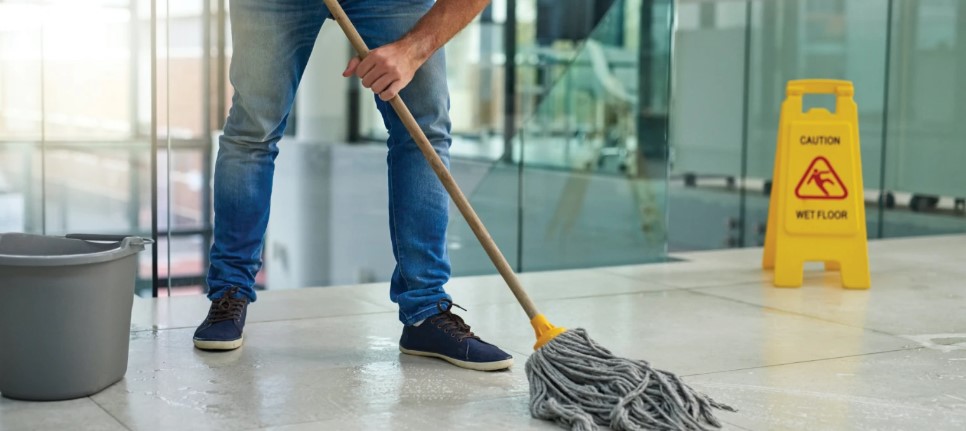
- Use a wet floor sign in the area to be mopped.
- Fill a 4-gallon mop bucket to the fill line with warm water.
- Place the mop in the solution and wet it thoroughly.
- Lightly twist the mop in the wringer, leaving enough solution in the mop to thoroughly wet the floor. (Note: The surface must remain wet for 10 minutes in order to disinfect.)
- Remove the wet floor sign only when the surface is thoroughly dry.
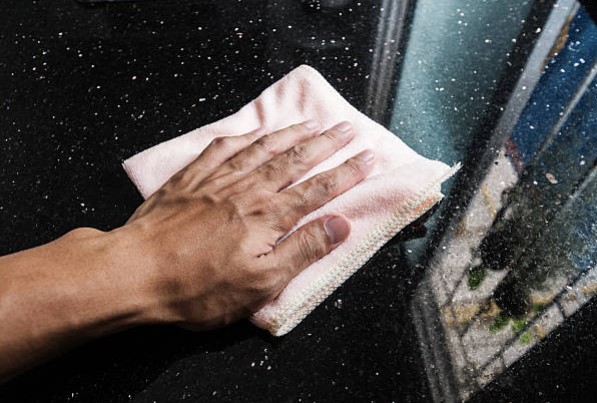
How to Deal with Heavy Grease Spots
Vegetable oils, milk, cosmetics, and other oil-based spills will quickly penetrate the porous surface of your marble floors, leaving a persistent dark stain.
Removing the stain requires you to draw the oil out of the marble. Start by mixing a few drops of strong alkaline cleaner or ammonia with your marble cleaner. Try to clean the stain with a few drops of strong alkaline cleaner added to your dilute marble cleaner. If this doesn’t work, use a poultice paste with some acetone and leave it for a couple of days. Rinse with a dilute marble cleaner and wipe dry.
How to Remove Organic Stains from Marble
Coffee, tea, wine, foods, and other organic substances usually create a brown or pink stain. Mix a solution of 12% hydrogen peroxide and three drops of ammonia. A lower hydrogen peroxide solution will be less effective. Blot the area with the hydrogen peroxide solution to remove the stain. Take care when using this treatment on darker marble floors because it can lighten the stone.
How to Remove Rust Stains from Marble
Metal furnishings and containers can rust and stain the marble. Brass and bronze are often used as decorative inserts in marble floors. If they are left wet, they will make brown stains that are very difficult to remove.
If you are lucky, you may be able to top polish our rust stain with 0000-grade wire wool. If the stain is persistent, you will need to use a poultice mixture with a rust removal treatment. Most of these treatments are acidic, so they will etch the surface of your marble floors. You may need professional help to remove the etch damage and repolish the area.
What Is A Marble Poultice
A marble poultice is used to draw stains out of marble floors. A liquid cleaner or chemical is mixed with a carrier to form a creamy paste.
How to Make a Marble Poultice
Poultice materials include; fuller’s earth, diatomaceous earth, powdered chalk, talcum powder, baking soda, flour, etc. You can also use cotton wool or white kitchen paper to make a poultice.
To make a marble poultice, mix a poultice material with water, acetone, hydrogen peroxide, etc. to make a thick paste. If you are using cotton wool or kitchen paper, soak it with the chemical, then let it drain so the chemical is not dripping.
Polishing Marble Floor
Polished marble gives an incredible elegance to any room. However, the stone finish can deteriorate if it is not maintained correctly. Harsh chemicals and high traffic will damage the shine, making the marble dull and unattractive. Regular maintenance and polishing will preserve the finish, keeping the marble looking beautiful.
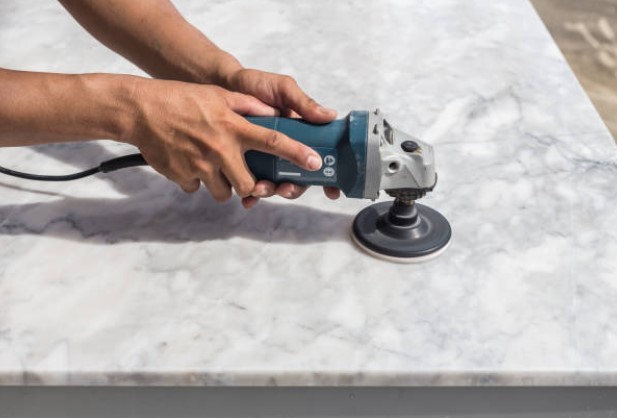
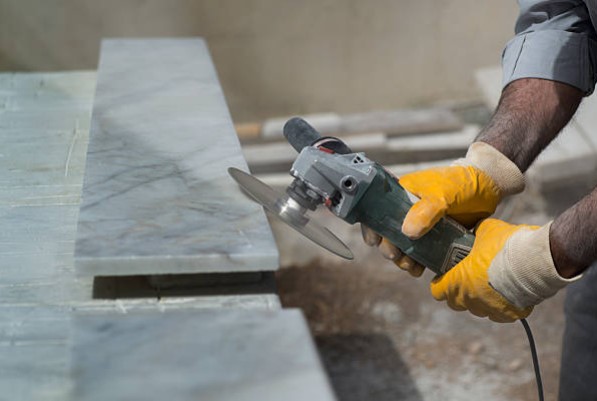
Before polishing, like any stone floor, the floor should be carefully cleaned and any stains and damage treated. If the finish is in good condition, dry polishing with high-quality diamond pads may be sufficient. If the floor has some wear, the surface may need to be honed and then polished with marble polishing powder. This is a specialist task, best carried out by professionals.

Maintenance
You can extend the life of your marble floor’s shine by following these simple guidelines.
Remove dry soil with a dust mop or vacuum
Frequent cleaning is the key to maintaining the finish on a marble floor. Dry sweeping with a dust mop or vacuuming will remove abrasive dust and dirt. If you use a vacuum cleaner on a marble floor use soft tools. Metal floor tools can scratch marble and damage the finish.
Regular damp mopping
Use a soft microfiber dust mop with the correct ph neutral marble cleaning chemicals to mop the floor to help keep the floor in tip-top condition.
Treat spills immediately
Clean up spills as soon as they happen to avoid staining and etching your marble. After removing a spill, clean the area with your marble cleaner, rinse with clean tap water, and dry the floor thoroughly.
Use walk-off mats at doorways and entrances.
Use walk-off mats by entrance doorways and in high-traffic areas to prevent dust and dirt from being tracked into the home. This will avoid scratching by footwear.
If you need help, contact us about how to clean Marble floors and tiles.